


 (+91) 80 4566 6666
  (+91) 7022316664
  Emergency: (+91) 80 4566 6616





Posted on : 22/05/2026 Views : 1394
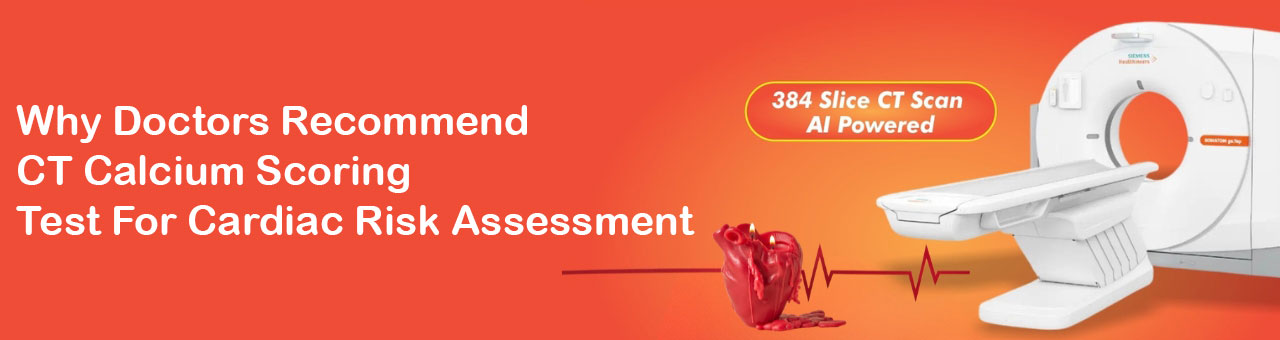
Why Doctors Recommend CT Calcium Scoring Test For Cardiac Risk Assessment
Nothing like detecting a cardiac disease in the early stage and taking quick precautions, isn’t it! However, is there a way out? The answer is, “Yes, there is!” in the form of CT Calcium Scoring Test. This test helps detect hidden coronary artery disease at an early stage. Doctors recommend this test for its accuracy, speed, and ability to evaluate future cardiac risk.
Introduction
Getting to know that you have symptoms pointing at a possible cardiac disease can make you nervous and anxious as many people may not experience symptoms until a serious event occurs occurs. However, as a preventive heart screening test, CT Calcium Scoring has gained significant attention.
Doctors across the globe now recommend this test as a reliable and non-invasive, early heart disease detection test that identifies calcium deposits in the coronary arteries and offers valuable insight into a patient’s heart health and future cardiovascular risk.
CT Calcium Score Test
This is a specialized heart scan that uses low-dose computed tomography (CT) imaging to measure calcium deposits in the coronary arteries. These calcium deposits indicate plaque buildup, which may increase the risk of heart disease, heart attacks, and blocked arteries even before symptoms develop.
Why is it Important?
Cardiologists recommend CT Calcium Scoring because,
- Identifies heart disease early
- Helps in assessing future cardiac disease risks
- Non-invasive and quick
- Supports personalised treatment plans
- Very important for those with high-risk factors
Understanding Calcium Scores
It is good to stay aware of where you stand when it comes to the results of a calcium scores.
- 0 Score: No detectable calcium; low risk
- 1–99: Mild plaque buildup
- 100–399: Moderate plaque with increased risk
- 400 and above: Significant coronary artery disease risk
AI-powered CT scans now provide faster imaging with lower radiation exposure compared to earlier technologies.
Why trust CT Calcium Scoring?
CT Calcium Scoring has emerged as one of the most trusted tools in preventive cardiology.
- Several international cardiac organizations, recognize coronary calcium scoring as an effective method for identifying patients who may benefit from early intervention.
- Experienced cardiac imaging specialists interpret the scan results carefully alongside potential risk factors.
- Many individuals feel comfortable undergoing the test as part of routine preventive health screening.
- Modern hospitals equipped with advanced CT imaging systems and trained cardiac radiologists further improve the accuracy and reliability of the results.
Why This Article is Better
This article provides a simple, updated, and patient-friendly explanation of CT Calcium Scoring while combining the latest preventive cardiology insights with practical information.
Conclusion
Early detection can make a major difference in preventing serious heart complications. Hence, if you are at risk of a heart disease and wondering which is the best place for “heart screening near me?”, consider discussing with experienced specialists at United Hospitals. Their advanced cardiac risk assessment services, modern diagnostic technology, and expert medical team can help you make informed decisions for a healthier future.
Book your CT Calcium Scoring Test at United Hospital and get expert cardiac risk assessment, advanced diagnostics, and timely guidance from experienced heart specialists.
- Online Booking: Visit this link to book directly:
https://unitedhealthcheckups.com/product/united-know-your-heart-score-at-999/ - Call or WhatsApp: 7022 316 664
(Available Monday to Friday, prior appointment required)
Frequently Asked Questions
- Is CT Calcium Scoring safe?
Yes. The scan is considered safe for most individuals when recommended by a doctor. - Who should undergo CT Calcium Scoring?
People with moderate heart disease risk, family history of cardiac problems, diabetes, high cholesterol, or hypertension may benefit from the test. - Does a high calcium score mean a heart attack is certain?
No. A high score indicates increased risk, but timely treatment and lifestyle changes can help reduce complications. - How long does the procedure take?
Approximately 10 to 15 minutes. - Can CT Calcium Scoring replace Angiography?
No. It is primarily a screening and risk assessment tool.
Previously Published Articles
- Mayo Clinic – “Coronary Calcium Scan Overview”
- Cleveland Clinic – “Calcium Score Screening”
- Johns Hopkins Medicine – “Coronary Calcium Scan”
- American Heart Association – “Coronary Artery Calcium Test”
- Harvard Health Publishing – “Calcium Scans for Heart Disease Detection”