


 (+91) 80 4566 6666
  (+91) 7022316664
  Emergency: (+91) 80 4566 6616





Posted on : 15/09/2026 Views : 191
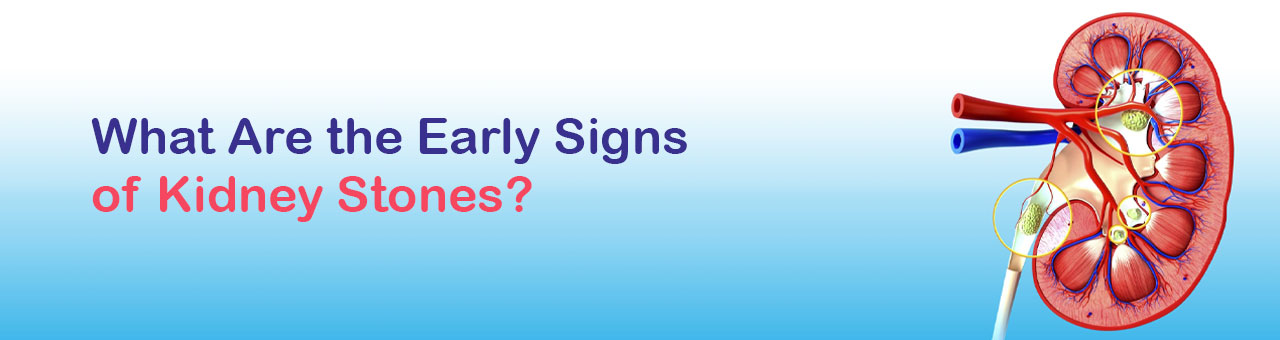
What Are the Early Signs of Kidney Stones?
The early signs of kidney stones can include pain in the side or lower back, pain that comes and goes, nausea, frequent urination, pain while urinating, or blood in the urine. Some small kidney stones may cause no symptoms at first and may only be found during a scan or urine test.
What Are the Early Signs of Kidney Stones?
Kidney stones form when certain minerals and salts in urine become concentrated and form hard crystals. A small stone may stay in the kidney without causing noticeable symptoms. Problems often begin when the stone moves into the urinary tract.
The early symptoms of kidney stones can vary depending on the stone's size and location. Some people notice mild discomfort, while others develop sudden and severe pain.
Common signs include:- Pain in the side, back or below the ribs
- Pain that comes and goes in waves
- Pain that moves toward the lower abdomen or groin
- Burning or pain while urinating
- Needing to urinate more often
- Blood in the urine
- Nausea or vomiting
- Cloudy or unusual-smelling urine
Common Kidney Stone Symptoms at a Glance
| Symptom | What You May Notice |
|---|---|
| Side or back pain | Pain on one side, sometimes severe |
| Pain in waves | Pain may increase and decrease repeatedly |
| Urination changes | Frequent or urgent need to urinate |
| Burning sensation | Discomfort while passing urine |
| Blood in urine | Urine may look pink, red or brown |
| Nausea | Can occur along with severe pain |
| Vomiting | May happen when pain is intense |
| Fever or chills | May indicate an infection and needs prompt medical attention |
Not everyone experiences all these symptoms. A kidney stone can also be present without causing any noticeable discomfort.
What Does Kidney Stone Pain Feel Like?
One of the most common kidney stone pain symptoms is sudden, intense pain in the side or back. The pain may come in waves and can change location as the stone moves through the urinary tract.
You may feel pain:- On one side of your lower back or abdomen
- Below the ribs
- In the lower abdomen
- Around the groin
Unlike ordinary muscle pain, kidney stone pain may become stronger and then ease before returning. Some people find it difficult to sit still or get comfortable when the pain becomes severe.
Can Kidney Stones Cause Blood in the Urine?
Yes. Blood in urine from kidney stones can occur when a stone irritates or scratches the lining of the urinary tract as it moves.
The urine may appear:- Pink
- Red
- Brown
However, blood in the urine does not always mean you have a kidney stone. Urinary infections and other conditions can also cause it. If you notice blood in your urine, it is important to get it medically evaluated rather than assuming the cause.
How Are Kidney Stones Diagnosed?
Symptoms alone cannot confirm that you have a kidney stone. A doctor may assess your symptoms, medical history and physical condition before recommending tests.
Depending on the situation, evaluation may include:| Test or Evaluation | Why It May Be Used |
|---|---|
| Urine test | Checks for blood, infection and other abnormalities |
| Blood test | Helps assess kidney function and other factors |
| Ultrasound | Can identify many kidney stones and urinary blockages |
| CT scan | Provides detailed imaging and can help locate stones |
| Medical examination | Helps assess pain and other symptoms |
The appropriate test depends on your symptoms and clinical situation.
What Causes Kidney Stones?
Kidney stones can develop when urine contains high levels of substances that can form crystals. Not drinking enough fluids can contribute to more concentrated urine.
Other factors may include:- Previous kidney stones
- Family history
- Certain dietary patterns
- Obesity
- Some medical conditions
- Certain medications
- Recurrent urinary infections in some cases
Staying adequately hydrated is one of the important steps that can help reduce the risk of some types of kidney stones.
When to Visit United Hospitals for Kidney Stone Symptoms
If you live in Jayanagar or nearby areas of Bengaluru and have symptoms that may be linked to kidney stones, getting checked by a doctor can help find the cause.
Symptoms such as side or back pain, changes in urination, blood in the urine, nausea or severe pain should not be ignored. A proper evaluation can help determine whether kidney stones or another urinary problem is causing the symptoms.
At United Hospitals, the doctor can assess your symptoms and recommend the right tests or treatment based on the size and location of the stone and your overall condition.
If you are experiencing possible kidney stone symptoms in Jayanagar or nearby areas, contact United Hospitals for an appropriate medical evaluation.
📍 United Hospitals, Jayanagar, Bengaluru
📞 080 4566 6666 | +91 70223 16664
Conclusion
The early signs of kidney stones can include side or back pain, changes in urination, burning while urinating, nausea and blood in the urine. However, symptoms can vary, and some small stones may cause no symptoms at all.
If you develop severe pain, blood in the urine, fever, vomiting or difficulty passing urine, seek medical attention promptly. Early evaluation can help identify the cause and determine the appropriate treatment.
Frequently Asked Questions
1. What are the first signs of kidney stones?
Early signs may include pain in the side or back, changes in urination, burning while urinating, nausea and blood in the urine. Some small stones cause no symptoms.
2. Where does kidney stone pain usually start?
Kidney stone pain commonly starts in the side or back below the ribs and may move toward the lower abdomen or groin as the stone travels through the urinary tract.
3. Can kidney stones cause blood in the urine?
Yes. A kidney stone can irritate the urinary tract and cause blood in the urine. However, blood in the urine can have other causes and should be evaluated by a doctor.
4. How do you know if kidney pain is caused by a kidney stone?
Kidney stone pain is often sudden, severe and may come in waves. However, symptoms alone cannot confirm the cause. A doctor may recommend urine tests and imaging.
5. Can kidney stones go away on their own?
Some small kidney stones can pass naturally, but this depends on their size and location. A doctor can advise whether observation or treatment is appropriate.